Why Your Perfect Maintenance Records Won't Save Your Car's Trade-In Value
You've kept every receipt, changed the oil religiously, and never missed a scheduled service. Your maintenance folder is thick with documentation proving you've treated your car like a prized possession. When trade-in time arrives, you expect that meticulous care to translate into top dollar. Prepare for disappointment.
The Harsh Reality of Depreciation Curves
Automotive depreciation follows mathematical curves that care nothing about your maintenance habits. A three-year-old luxury sedan loses roughly 60% of its original value regardless of whether it received premium synthetic oil every 3,000 miles or conventional oil every 7,500 miles. The depreciation schedule was locked in the moment you drove off the dealer lot.
Auction data from Manheim and other wholesale markets consistently shows that identical vehicles with vastly different maintenance histories sell within a few hundred dollars of each other. A 2019 Honda Accord with perfect records and one with average care typically trade within 2-3% of the same price — a difference that's often smaller than normal market fluctuation.
 Photo: Honda Accord, via www.autosnuff.com
What Actually Drives Resale Value
Color choice matters more than most owners realize. White, black, and silver vehicles consistently command premiums of $300-800 over unusual colors, even when everything else is identical. That unique purple paint you loved? It's costing you money at trade-in time.
Trim level decisions made at purchase time have lasting impact. The difference between a base model and mid-trim often persists throughout the vehicle's life, while the gap between mid-trim and fully loaded versions frequently narrows. Buyers shopping used cars rarely pay extra for features they can't immediately see or understand.
Model reputation trumps individual care every time. A Toyota Camry with questionable maintenance records will typically hold value better than a perfectly maintained Mitsubishi Galant, simply because buyers trust the Toyota brand more. Market perception matters more than mechanical reality.
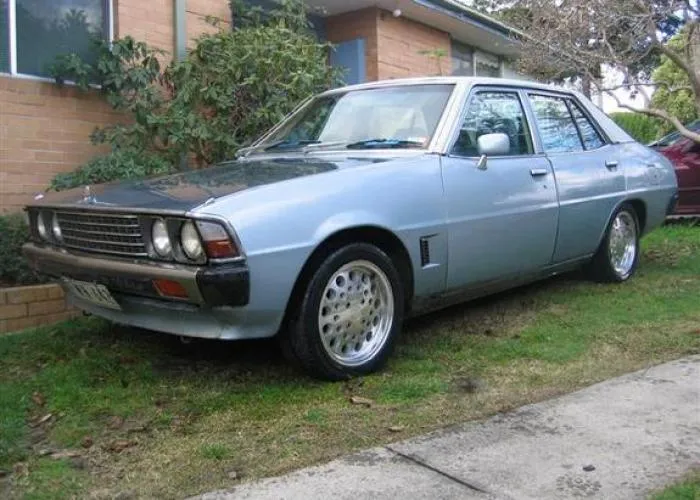 Photo: Mitsubishi Galant, via carsot.com
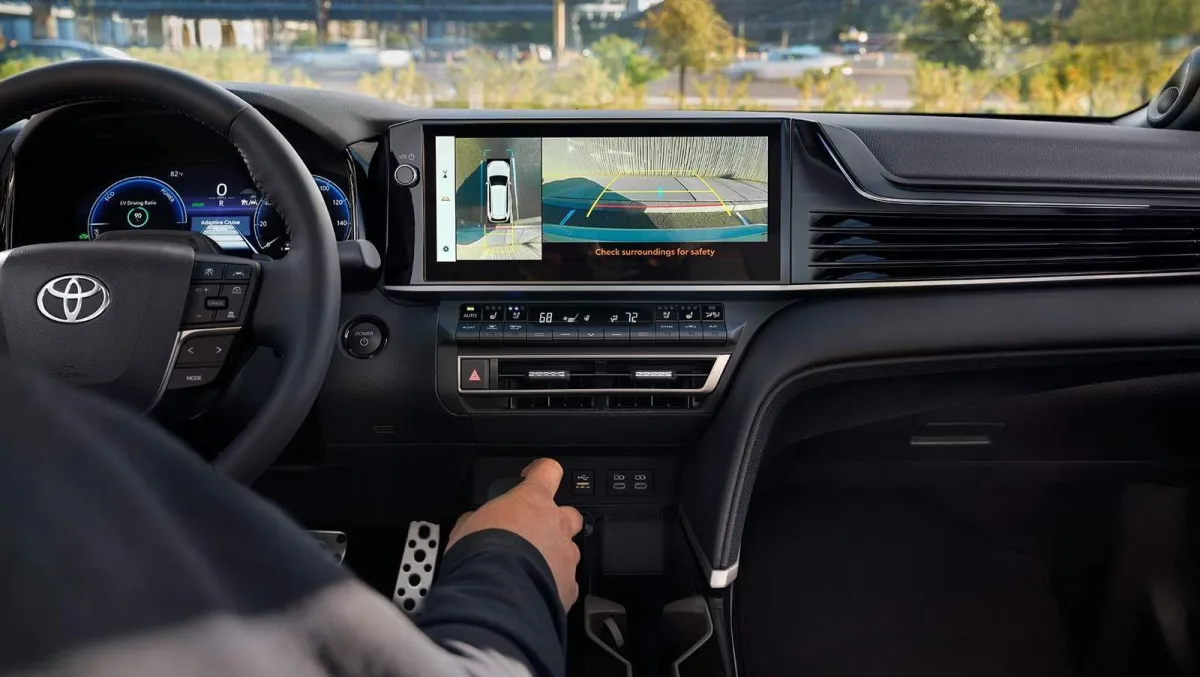 Photo: Toyota Camry, via cdn.sanity.io
The Maintenance Premium That Never Materializes
Dealers and private buyers rarely pay premiums for documented maintenance, despite what common sense suggests. The reason is simple: most used car shoppers assume basic maintenance was performed, and they can't easily verify the quality difference between premium and standard care.
That $3,000 you spent on synthetic oil, premium filters, and dealer service? It might add $100-200 to your trade-in value, if anything. The cost-benefit analysis is brutal when you run the actual numbers.
Major mechanical issues will hurt resale value, but the difference between adequate maintenance and exceptional care rarely shows up in the final price. The market treats "runs well" as a binary condition rather than a spectrum.
Where Maintenance Actually Pays Off
Maintenance isn't worthless — it just doesn't pay off where most people expect. Proper care extends your ownership period by preventing major failures and expensive repairs. The value comes from avoiding costs, not from recovering them at sale time.
Some maintenance items do affect resale value, but they're usually the visible ones. Fresh tires, clean interior, and exterior paint condition influence buyer perception immediately. A $200 detail job often returns more at trade-in than $2,000 worth of internal engine care.
Keeping your vehicle past the steepest depreciation years — typically the first three to four years — is where maintenance truly pays dividends. A well-maintained 8-year-old car can provide reliable transportation for years beyond what poor maintenance would allow.
The Psychological Trap
Car owners fall into a psychological trap where maintenance spending feels like an investment rather than an operating expense. The automotive industry encourages this thinking through marketing that emphasizes "protecting your investment" and "maintaining resale value."
The truth is more mundane: maintenance is the cost of ownership, not an investment strategy. It keeps your car running reliably during your ownership period, which has real value — just not the kind that shows up in trade-in appraisals.
Making Smarter Decisions
Understanding how resale value actually works changes how smart buyers approach car ownership. Instead of over-maintaining in hopes of future returns, focus on the maintenance that matters: keeping the car reliable for your intended ownership period.
Choose popular colors, avoid the highest trim levels unless you'll personally enjoy the features, and buy models with strong brand reputations if resale value concerns you. These decisions at purchase time will affect your trade-in value more than any maintenance schedule.
The next time someone tries to sell you premium maintenance services by promising better resale value, remember the data: your perfect maintenance records are impressive, but the market doesn't care nearly as much as you think it should.