That Dashboard Warning Light Isn't Announcing Engine Doom — It's Just Being Dramatic
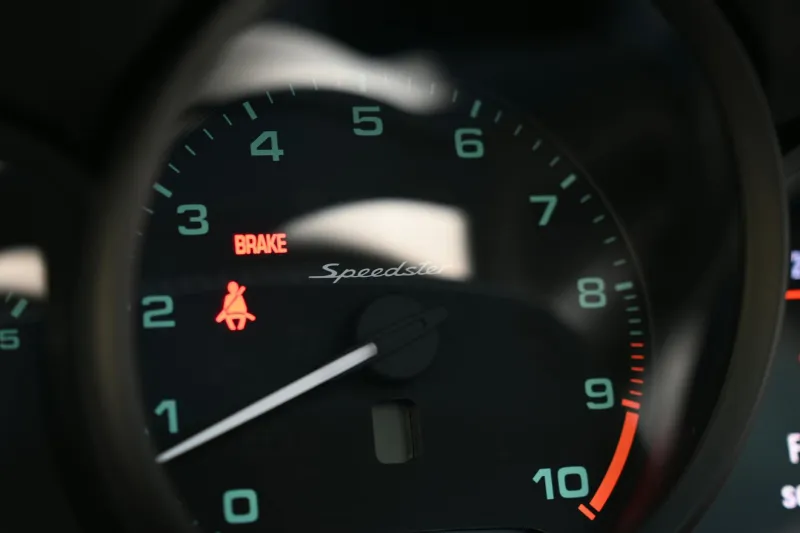
The Panic Button That Isn't Actually a Panic Button
Picture this: You're driving to work when suddenly that dreaded orange engine symbol illuminates your dashboard. Your heart sinks. Your mind races to worst-case scenarios — blown engine, massive repair bills, maybe even being stranded on the highway. If this sounds familiar, you're not alone. Millions of American drivers experience this same moment of automotive dread every single day.
But here's what might surprise you: that check engine light isn't actually telling you your engine is about to explode. In fact, it's more like your car's way of saying "hey, something's not quite right" rather than screaming "ABANDON SHIP!"
What Your Car Is Actually Trying to Tell You
The check engine light — technically called the Malfunction Indicator Lamp (MIL) — is connected to your car's onboard diagnostic system. This system monitors dozens of sensors throughout your vehicle, from oxygen sensors that measure exhaust gases to sensors that detect if your gas cap is properly sealed.
When one of these sensors detects something outside normal parameters, it triggers the light. The key word here is "outside normal parameters" — not "catastrophic failure imminent."
According to automotive diagnostic data, the most common triggers for check engine lights are surprisingly mundane:
- Loose or faulty gas cap (about 15% of cases)
- Oxygen sensor failure (roughly 20% of cases)
- Catalytic converter issues (around 15% of cases)
- Mass airflow sensor problems (about 10% of cases)
- Spark plug or ignition coil issues (roughly 8% of cases)
Notice something? None of these scream "your engine is dying." Most are maintenance items or relatively minor components that, while important for optimal performance and emissions, won't leave you stranded.
The Marketing of Automotive Anxiety
So why do we all assume the worst when that light comes on? The answer lies in a combination of automotive marketing, repair shop incentives, and good old-fashioned fear of the unknown.
First, consider the name itself: "check engine light." It sounds ominous, doesn't it? Automakers could have called it the "emissions system monitor" or "maintenance reminder light," but those names don't carry the same urgency. A panicked driver is more likely to seek immediate service than someone who thinks their car just needs a tune-up.
Repair shops, meanwhile, have little incentive to downplay the drama. When you rush in convinced your engine is failing, you're primed to accept whatever diagnosis they provide — and whatever price tag comes with it. The fear factor works in their favor.
When It's Actually Urgent (And When It's Not)
Here's the practical truth every driver needs to know: a steady check engine light is rarely an emergency. If your car is running normally — no strange noises, no loss of power, no overheating — you can usually drive to a scheduled appointment rather than rushing to the nearest shop.
However, there are exceptions. If the check engine light is flashing (not just solid), that indicates a misfire severe enough to potentially damage your catalytic converter. This is genuinely urgent and warrants immediate attention.
Similarly, if the check engine light comes on along with other warning signs — overheating, loss of power, strange noises, or smoke — then yes, you should stop driving and seek immediate help.
The Real Cost of Check Engine Panic
The automotive repair industry generates billions in revenue from check engine light diagnostics and repairs. While many of these repairs are legitimate and necessary, the panic response often leads to:
- Rushed decisions without getting second opinions
- Unnecessary immediate repairs that could have been scheduled
- Inflated pricing due to perceived urgency
- Replacement of parts that might have been fixable
One automotive technician told us that roughly 30% of check engine light visits could have been scheduled maintenance appointments rather than emergency repairs — if drivers understood what the light actually meant.
Your New Check Engine Light Strategy
Next time that orange light appears, try this approach instead of panicking:
- Check the obvious first — is your gas cap tight? Any recent maintenance that might have triggered the light?
- Monitor your car's performance — is it running normally otherwise?
- Note any patterns — does the light come on only in certain conditions?
- Schedule a diagnostic rather than rushing in for emergency service
- Get the specific error code before agreeing to any repairs
The Bottom Line
Your check engine light is more like a concerned friend tapping you on the shoulder than a fire alarm. It's saying "hey, you might want to get this looked at" rather than "YOUR ENGINE IS DOOMED."
Understanding this distinction can save you money, stress, and unnecessary panic. Your car's computer is sophisticated, but it's not psychic — it can't predict catastrophic failure, only monitor current conditions. Most of the time, those conditions are pointing to routine maintenance needs rather than automotive apocalypse.
So the next time that little orange light appears, take a deep breath. Your engine probably isn't dying — it's just trying to tell you something, and it's probably not nearly as dramatic as you think.