That Mileage Number on Your Dashboard Could Be Fiction — And You'd Never Know It
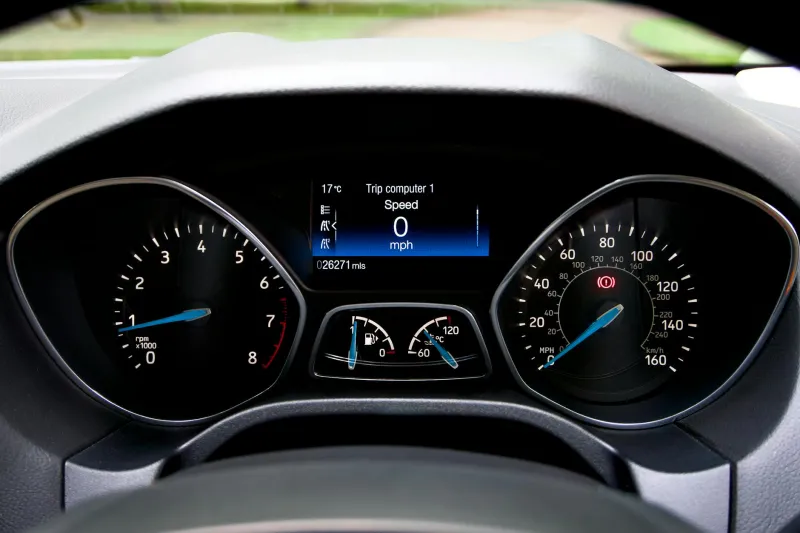
Most car buyers assume that digital odometers solved the mileage fraud problem that plagued used car lots for decades. After all, those old mechanical gauges with their spinning wheels seemed easy to manipulate, while today's digital displays look official and tamper-proof. The reality? Modern odometer fraud is alive and thriving — it's just gotten more sophisticated.
The Digital Revolution That Wasn't
When automakers switched from mechanical to digital odometers in the 1990s and 2000s, industry experts predicted the end of mileage manipulation. The assumption was simple: digital systems would be harder to hack than spinning mechanical wheels. What actually happened was that fraudsters adapted faster than detection methods.
Today's odometer rollbacks happen through laptop computers and specialized programming tools. The mileage data lives in your car's computer modules, and with the right equipment — much of it legally available online — those numbers can be changed in minutes. The process often leaves no physical evidence, unlike the tell-tale signs that mechanical tampering used to create.
Why Federal Protections Fall Short
The federal odometer disclosure laws that most buyers rely on were written for a different era. These regulations require sellers to provide written mileage statements, but they depend on honest reporting. When the fraud happens before the car reaches a dealer lot, those legal protections become meaningless paperwork.
Carfax and similar services help, but they only catch fraud when someone reports inconsistent mileage readings. If a car's odometer gets rolled back before its first oil change or inspection, there's no baseline to compare against. The system assumes the first reported mileage is accurate.
The Real Warning Signs Have Nothing to Do With Numbers
Smart buyers look beyond the odometer reading itself. Excessive wear on pedals, steering wheels, and seat bolsters often tells the real story. A car showing 30,000 miles shouldn't have a steering wheel worn smooth or floor mats with holes.
Check the maintenance stickers under the hood or inside door jambs. Oil change shops and service centers often write mileage directly on parts or stickers. If you find a notation showing higher mileage than the odometer displays, you've caught potential fraud red-handed.
Tire wear patterns also reveal hidden miles. Original equipment tires typically last 40,000-60,000 miles under normal driving. If the odometer shows 25,000 miles but the car is already on its second set of tires, something doesn't add up.
The Technology Arms Race
As detection methods improve, so do fraud techniques. Some operations now use multiple computer modules from different vehicles, swapping entire dashboard clusters to maintain consistency across all digital systems. Others manipulate the data during routine software updates, making the changes appear legitimate.
The most sophisticated schemes involve coordinated efforts across multiple states, moving vehicles through areas with different inspection requirements to obscure the paper trail. By the time these cars reach retail lots, their false histories look completely legitimate.
What This Means for Your Next Purchase
The solution isn't paranoia — it's informed skepticism. When evaluating any used vehicle, treat the odometer reading as just one data point among many. A thorough inspection should include checking service records, examining wear patterns, and verifying the vehicle's history through multiple sources.
Consider hiring an independent mechanic for pre-purchase inspections, especially for vehicles that seem too good to be true. Professional mechanics can spot inconsistencies between claimed mileage and actual wear that most buyers would miss.
Remember that odometer fraud typically targets vehicles in specific categories: luxury cars with high depreciation rates, commercial vehicles sold at auctions, and popular models with strong resale values. These segments offer the biggest profit margins for fraudsters willing to take the risk.
The digital age promised to eliminate odometer fraud, but it really just changed the game. Today's buyers need to be more vigilant than ever, because the fraud has become virtually invisible — until you know where to look.