Every driver learns the jumper cable sequence like a religious ritual: positive to positive, negative to ground, remove in reverse order. Break the sequence, you're told, and risk an explosion that could kill you. The reality behind this automotive commandment is both more mundane and more interesting than the horror stories suggest.
What Actually Happens Inside a Dead Battery
Car batteries don't explode like grenades when you connect cables wrong. They can release hydrogen gas, but the conditions required for a dangerous explosion are far more specific than most people realize. A typical dead battery in normal conditions produces hydrogen at levels well below combustible concentrations.
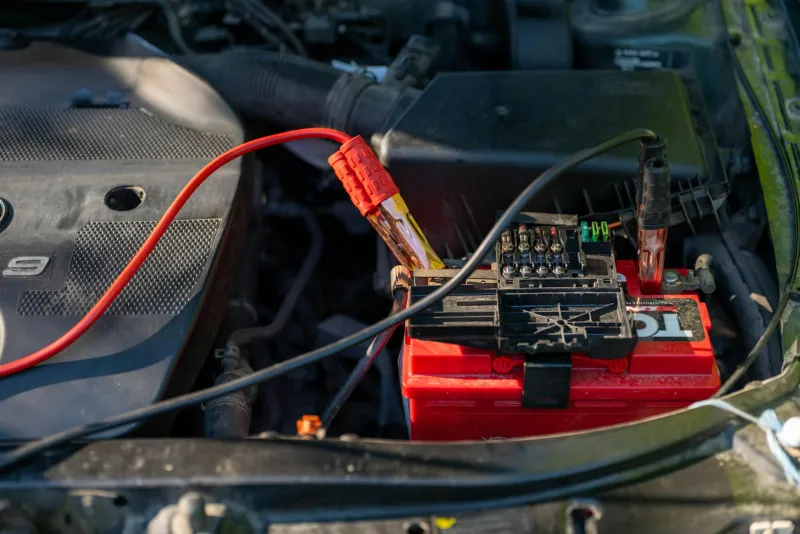
The real concern isn't massive explosions — it's small sparks occurring in the wrong place. When you complete a circuit by connecting the final cable, you'll always get a small spark. The jumper cable ritual is designed to control where that spark happens, not prevent it entirely.
Hydrogen gas, when present, tends to accumulate near the battery's venting areas. By connecting the final negative cable to a ground point away from the battery, you move that inevitable spark away from any hydrogen concentration. It's risk management, not explosion prevention.
Why the Positive-First Rule Exists
Starting with positive connections has nothing to do with preventing sparks — you'll get sparks regardless of sequence. The reason is more practical: positive terminals are usually more accessible and easier to identify correctly.
Connecting positive cables first also means you're working with the most straightforward part of the circuit. Positive terminals are clearly marked, usually larger, and typically positioned for easier access. Starting there reduces the chance of accidentally touching the wrong connection points.
The negative-to-ground rule serves a different purpose entirely. Grounding the negative cable to the engine block or chassis creates a better electrical connection than clamping directly to the negative terminal, which might be corroded or poorly connected.
The Real Physics of Automotive Electrical Systems
When you connect jumper cables, you're creating a temporary circuit between two 12-volt systems. The voltage difference isn't enough to create dangerous arcing under normal conditions — you need much higher voltages for truly hazardous electrical events.
The current flow during jump starting can be substantial, sometimes 100-200 amps, but it's the voltage that determines spark intensity. At 12 volts, sparks are small and brief, more like static electricity than lightning bolts.
Battery acid is the bigger hazard than electrical issues. Sulfuric acid can cause severe burns and damage clothing or paint. The careful cable connection sequence also helps prevent accidentally dropping tools or cables into battery acid.
When the Rules Actually Matter
The jumper cable ritual becomes genuinely important in specific circumstances: very cold weather, overcharged batteries, or batteries with damaged cases. These conditions can increase hydrogen production significantly.
Commercial vehicles with multiple batteries or higher-voltage systems require stricter adherence to connection sequences. The rules that seem overly cautious for passenger cars become legitimately important for trucks and heavy equipment.
Older batteries with damaged venting systems can accumulate hydrogen in ways that modern sealed batteries typically don't. If you're jump-starting a battery that's obviously old or damaged, the traditional precautions become more relevant.
What Happens When You Break the Rules
Connect cables in the wrong order, and you'll usually get... nothing dramatic. A small spark, maybe a brief flash, but rarely anything dangerous. Thousands of drivers accidentally reverse the sequence daily without catastrophic results.
The most common consequence of improper connection is blown fuses in one or both vehicles. Modern cars have extensive electrical protection systems that shut down circuits when they detect problems. These systems are designed to protect expensive electronics, not prevent explosions.
Reversing polarity entirely — connecting positive to negative — can damage electrical systems, but even this usually results in blown fuses rather than fires or explosions. The 12-volt automotive electrical system is relatively forgiving of mistakes.
The Ritual's Real Value
The jumper cable sequence serves as a safety checklist that encourages careful, methodical work around automotive electrical systems. Following the ritual makes you more likely to notice problems like cracked battery cases, corroded terminals, or damaged cables.
The step-by-step process also reduces the chance of accidentally shorting tools against the battery or chassis. When you're focused on following the sequence correctly, you're less likely to make the careless mistakes that actually cause problems.
Most importantly, the ritual works. Following the traditional sequence reliably produces successful jump starts with minimal risk. Even if the underlying physics isn't as dramatic as the warnings suggest, the procedure accomplishes its goal safely and consistently.
Understanding Replaces Fear
The next time you need jumper cables, you can follow the traditional sequence with understanding rather than superstition. The rules exist for good reasons, but those reasons are more about best practices than preventing disasters.
The spark you'll see when completing the circuit is normal and expected — not a sign that something's going wrong. The careful sequence simply ensures that spark happens in a safe location, away from potential hydrogen concentrations and in a place where you can see it coming.