Premium Gas Costs More — But Is It Actually Doing Anything for Your Car?
The Upgrade That Isn't Always an Upgrade
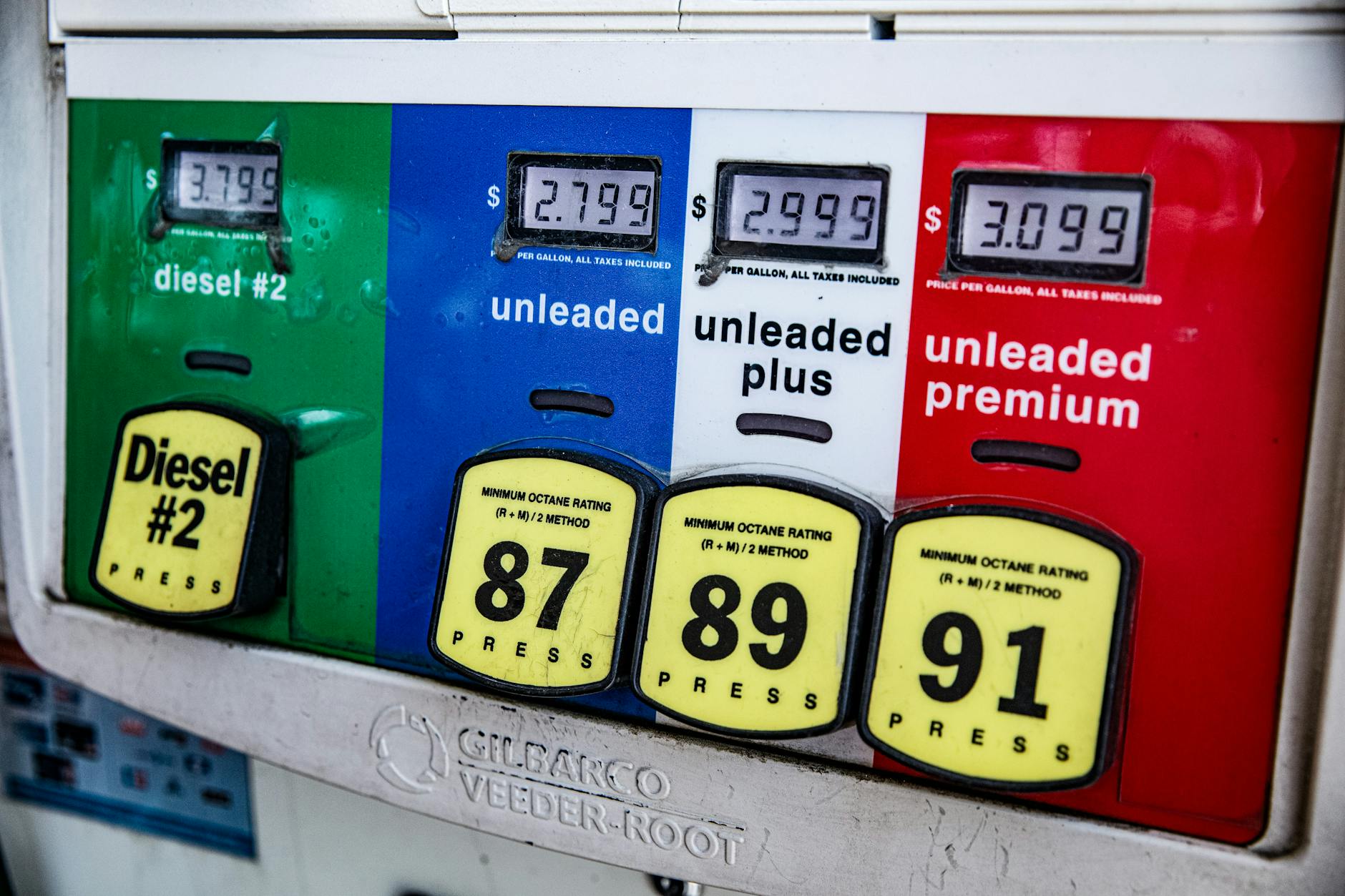
Stand at a gas pump in the US long enough and you'll notice a pattern. Plenty of drivers bypass the regular button without a second thought and reach straight for the premium option. Some do it because their car requires it. But a surprising number do it out of a general sense that premium is simply better — better for performance, better for the engine, better fuel.
That belief is widespread, it's understandable, and for most vehicles on American roads, it's completely incorrect. Understanding why requires a quick look at what octane actually is — and what it isn't.
Octane Is Not a Measure of Quality
This is probably the most important thing to understand, and it's where the marketing language around premium fuel has done the most damage to public understanding.
Octane rating — 87 for regular, 89 for mid-grade, 91 or 93 for premium depending on your region — is not a measure of energy content, cleanliness, or overall fuel quality. It's a measure of the fuel's resistance to premature detonation, a phenomenon engineers call knock or ping.
Here's what that means in practice: inside a gasoline engine, the fuel-air mixture in the cylinder is supposed to ignite at a very precise moment, triggered by the spark plug. Under certain conditions — particularly high compression and high heat — that mixture can ignite before the spark plug fires. This early, uncontrolled ignition is knock, and it creates a pressure wave inside the cylinder that can damage engine components over time.
Higher-octane fuel resists this early ignition better than lower-octane fuel. That's it. That's the whole difference.
So When Does Premium Actually Matter?
Premium fuel provides a real, measurable benefit in engines specifically designed to take advantage of it — namely, high-compression engines and turbocharged engines.
High-compression engines squeeze the fuel-air mixture more tightly before ignition, generating more power from each combustion cycle. That compression also creates more heat and pressure, which increases knock risk. Higher-octane fuel handles those conditions without prematurely detonating.
Many turbocharged engines face a similar situation. The turbocharger forces more air into the cylinder, which effectively raises the compression ratio and increases knock risk. Manufacturers tune these engines to run on premium fuel to get the most out of that setup safely.
If your owner's manual says premium is required, that's a real requirement. Running regular in a required-premium engine consistently can cause knock, and while modern engine management systems can detect knock and retard the ignition timing to compensate, doing so reduces power output and, over time, can contribute to engine wear.
If your manual says premium is recommended (not required), you're in a gray area. You'll likely get the full advertised horsepower on premium, and potentially slightly less on regular, but the engine is designed to run safely on either.
The Expensive Mistake: Premium in a Regular-Grade Engine
Here's where the money gets wasted on a massive scale. According to AAA, American drivers spend roughly $2.1 billion per year on premium gasoline for vehicles that don't require it or benefit from it.
If your car is designed and tuned for 87 octane regular, putting 93 octane premium in the tank does nothing useful. The engine isn't set up to take advantage of the higher knock resistance. You're not getting more power. You're not getting better fuel economy. You're not cleaning your engine or protecting it in any special way. You're just paying more for a characteristic the engine has no use for.
The fuel itself isn't inferior — it's simply mismatched to the application. Pouring premium into a regular-grade engine is a bit like buying a heavy-duty tow package on a vehicle you'll never use to tow anything. The feature exists, it works as designed, it just isn't doing anything for you.
How the Word 'Premium' Did So Much Work
Language matters here. The word premium carries enormous psychological weight in American consumer culture. We associate it with quality, care, and getting the best. Gas station signage doesn't exactly go out of its way to clarify that "premium" refers to a specific technical property rather than overall superiority.
For decades, automotive advertising reinforced the idea that high-performance cars — the aspirational ones, the fast ones, the expensive ones — ran on premium fuel. That association between premium gas and powerful, desirable vehicles became baked into how people think about fuel choice. If the sports cars and luxury sedans use premium, the logic goes, maybe it's doing something good for my car too.
Some premium fuels also contain enhanced detergent additive packages, which has given rise to the idea that premium is "cleaner" fuel. While detergent additives are real and do help keep fuel injectors and intake valves clean, the EPA requires all grades of gasoline sold in the US to meet minimum detergent standards. And several major brands — including Shell, Chevron, and others — offer enhanced detergent formulations across all their grades under various certification programs.
How to Actually Make the Right Call at the Pump
This one genuinely comes down to three words: check your manual.
Open the owner's manual for your specific vehicle (or look up the fuel requirement on the manufacturer's website) and find out whether your engine requires premium, recommends it, or is designed for regular. That answer should drive your decision at every fill-up.
- Required: Use premium. This isn't a suggestion.
- Recommended: Premium will likely deliver the full performance spec; regular is generally safe but may reduce output slightly.
- Regular: Save your money. Premium offers no benefit here.
The Takeaway
Premium gasoline is a legitimate product that serves a real purpose for engines engineered to use it. For everyone else, it's an expensive habit built on a misunderstanding of what the word "premium" actually measures. The octane number on the pump is a technical specification, not a quality ranking — and knowing the difference can save you hundreds of dollars a year without costing your engine anything.