That Safety Feature Everyone Trusts Is Actually Fighting Against You in Snow and Sand
That Safety Feature Everyone Trusts Is Actually Fighting Against You in Snow and Sand
Picture this: You're backing out of your driveway after a snowstorm, wheels spinning uselessly on the packed snow. Your car lurches forward in tiny increments, engine revving but going nowhere. Most drivers blame the weather, their tires, or bad luck. Almost nobody suspects their car's traction control system is actively working against them.
Here's what most people believe: Traction control keeps you safe by preventing dangerous wheel spin. It's always working in your favor, right? Wrong. In certain situations — the exact moments when you need momentum most — this well-meaning system becomes your biggest obstacle.
The Real Story Behind Traction Control
Traction control works by detecting when a wheel is spinning faster than the others, then automatically applying the brakes to that wheel or reducing engine power. On dry pavement during normal driving, this prevents dangerous skids and helps maintain control. The system assumes that wheel spin is always bad, always dangerous, always something to stop immediately.
But here's where the assumption breaks down: Sometimes you actually need wheel spin to get moving.
Think about it from a physics standpoint. When you're stuck in snow, sand, or mud, your tires need to dig down through the loose material to find traction on something solid underneath. That digging motion? It requires sustained wheel spin. But your traction control system sees that spinning wheel and thinks, "Danger! Must stop this immediately!"
So it cuts power to the engine or applies the brakes, preventing exactly the wheel action you need to get unstuck.
When Your Safety Net Becomes a Trap
The situations where traction control hurts more than it helps are surprisingly common:
Deep snow: Your car needs to pack down the snow or dig through to pavement. Traction control stops this process before it can work.
Sand or loose gravel: Whether it's a beach parking lot or a construction zone, loose surfaces often require controlled wheel spin to find grip.
Steep hills with loose surfaces: Going uphill in snow or on gravel, you might need some wheel spin to maintain momentum.
Getting unstuck: If you're already stuck, the rocking motion that helps free your car requires brief moments of wheel spin that traction control will immediately shut down.
In these situations, experienced drivers know to turn off traction control. But most people don't even know that's an option.
The Button You Never Knew You Had
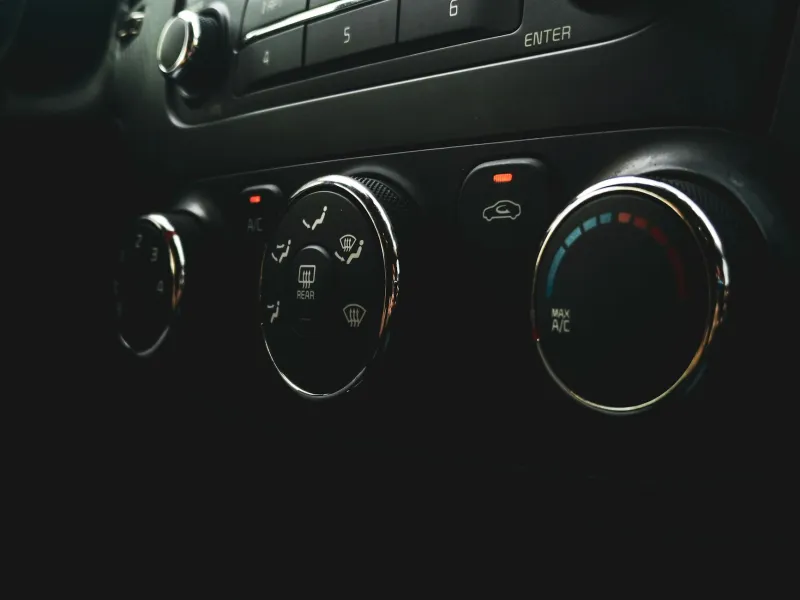
Look around your dashboard or center console. Somewhere, probably marked with a car-and-squiggly-lines icon or the letters "TC" or "TCS," there's a traction control off button. Your owner's manual mentions it, usually buried in a technical section most people skip.
Manufacturers are required to include this override, but they don't advertise it. Why? Because they're terrified of liability. They'd rather have you stuck in your driveway than spinning out on a highway because you turned off traction control at the wrong time.
The result is a generation of drivers who don't know they have this option, let alone when to use it.
Why This Misunderstanding Persists
The automotive industry has spent decades marketing traction control as an unqualified good thing. "Advanced safety technology." "Keeps you in control." "Prevents accidents." All true statements, but incomplete ones.
Driving instructors rarely teach the exceptions. Most people learn to drive on normal roads in normal conditions, where traction control works exactly as advertised. The edge cases — snow, sand, getting unstuck — are treated as rare emergencies rather than predictable situations with known solutions.
Even mechanics sometimes don't explain this properly. They'll tell you to "turn off traction control if you get stuck" without explaining why or helping you understand when wheel spin is actually helpful.
The Smart Way to Think About Traction Control
Traction control isn't good or bad — it's a tool designed for specific situations. On dry pavement, in normal driving, with good tires, it's genuinely helpful. It prevents the kind of sudden loss of traction that causes accidents.
But when you're dealing with loose surfaces, deep snow, or trying to get unstuck, you need to think like the system's engineer: Is wheel spin dangerous right now, or is it necessary?
If you're stuck in your driveway at 5 mph, wheel spin isn't dangerous — it's the solution. If you're on a highway in light rain, wheel spin could send you into oncoming traffic.
The key is knowing when to override the system's assumptions with your own judgment.
What This Means for You
Next time you're stuck in snow or struggling on a sandy beach road, remember that your car might be fighting against you. Look for that traction control button. Turn it off temporarily. Give your car permission to do what it needs to do to get moving.
Just remember to turn it back on once you're on solid ground again.
Your traction control system is trying to help, but it's making decisions based on incomplete information. Sometimes the safest thing to do is let your wheels spin a little — and now you know how to make that choice yourself.
The real safety feature isn't the system itself. It's understanding when to use it and when to trust your own judgment instead.