Your Weekly Car Wash Habit Is Slowly Destroying Your Paint Job
The Well-Intentioned Paint Destruction
Every weekend, millions of Americans demonstrate their automotive responsibility by washing their cars. Armed with soap, sponges, and good intentions, they scrub away dirt and grime, confident they're protecting their vehicle's finish.
Here's what most don't realize: they're probably causing more damage to their paint than if they'd left it dirty.
The Microscopic Battlefield on Your Hood
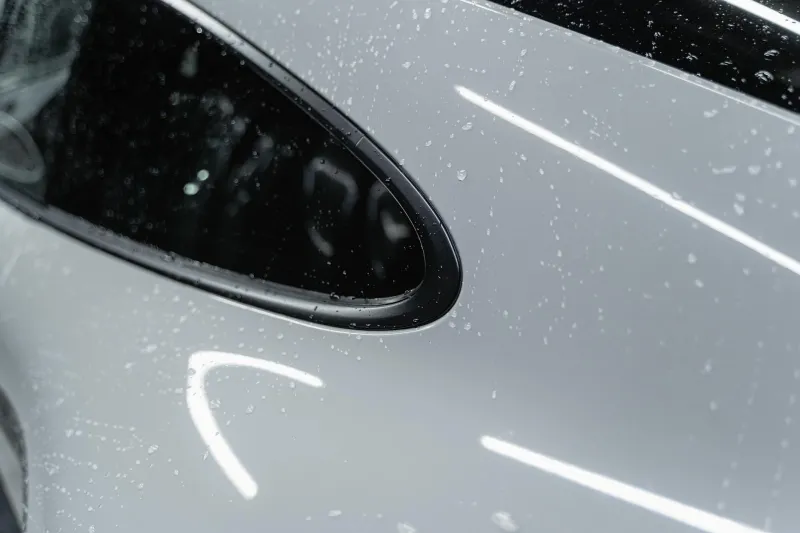
Automotive paint damage happens at a scale invisible to casual observation. Those tiny scratches — called swirl marks by professional detailers — accumulate with each improper washing session. Under the right lighting conditions, a frequently washed car can look like it survived a sandstorm.
The culprit isn't the washing itself, but the technique. Most car owners unknowingly drag contamination across their paint surfaces, creating thousands of microscopic scratches that dull the finish over time.
Why Your Soap and Sponge Routine Fails
The traditional bucket-and-sponge approach seems logical but violates basic contamination control principles. When you dip that sponge back into soapy water after scrubbing your car, you're redistributing dirt particles throughout the cleaning solution.
Those particles become abrasive agents, turning your innocent cleaning session into a paint-sanding operation. Each pass across the surface drags contamination in linear patterns that accumulate into visible swirl marks.
Modern automotive paint is surprisingly delicate. Clear coat layers measure only 1.5 to 2 mils thick — thinner than a human hair. Dragging a dirty sponge across this surface is like using fine sandpaper.
The Automatic Car Wash Conspiracy
Those convenient tunnel car washes present an even bigger threat to your paint's health. The rotating brushes that promise thorough cleaning are actually contamination distribution systems.
Consider what those brushes encounter before touching your car: road salt, brake dust, sand, tree sap, and debris from hundreds of other vehicles. No amount of rinsing completely removes this contamination from brush bristles.
When those brushes contact your paint, they deposit microscopic particles while applying significant pressure. The result is systematic paint damage that occurs with every visit.
Professional detailers can often identify cars that frequent automatic washes just by examining the swirl pattern distribution across paint surfaces.
What Professional Detailers Actually Do
The automotive detailing industry has developed washing techniques that prioritize contamination control over convenience. The "two-bucket method" represents the minimum standard for paint-safe washing:
- One bucket contains soapy water
- The second holds clean rinse water
- Wash media (preferably microfiber mitts) get rinsed in clean water before returning to soap
Professional detailers often use even more elaborate systems, including:
- Pre-rinse procedures to remove loose contamination
- Clay bar treatments to extract embedded particles
- Multiple wash mitts for different vehicle sections
- Grit guards in buckets to trap settled contamination
The Frequency Fallacy
Conventional wisdom suggests that frequent washing prevents dirt buildup and protects paint. Professional detailers understand that washing frequency matters less than washing technique.
A properly executed monthly wash causes less paint damage than weekly sessions using contaminated equipment. Quality trumps quantity in automotive care.
Some detailing professionals recommend washing only when necessary rather than following arbitrary schedules. Environmental contamination levels, vehicle usage patterns, and storage conditions should determine washing frequency, not calendar dates.
The Hidden Costs of Improper Care
Paint correction — the professional process of removing swirl marks and scratches — can cost $500 to $2,000 depending on damage severity. Many car owners unknowingly create thousands of dollars in future paint restoration costs through well-intentioned but improper maintenance.
Vehicles with damaged paint also suffer reduced resale value. Swirl marks and scratches signal poor maintenance to potential buyers, regardless of mechanical condition.
Environmental Factors That Change Everything
Your local environment dramatically affects optimal washing strategies. Cars in dusty southwestern regions face different contamination challenges than vehicles in humid southeastern climates.
Salt air near coastlines, industrial pollution in urban areas, and agricultural dust in rural regions all require modified approaches to paint protection. One-size-fits-all washing advice ignores these crucial variables.
The Protective Coating Revolution
Modern paint protection technologies — ceramic coatings, paint protection films, and advanced waxes — can reduce washing frequency requirements while improving contamination resistance.
These products create sacrificial layers that accept damage instead of the underlying paint. Properly applied protective coatings can extend time between necessary washing sessions while making contamination removal easier when washing does occur.
Rethinking Automotive Cleanliness
The obsession with spotless vehicles might stem more from social expectations than mechanical necessity. A thin layer of dust actually provides some protection against UV radiation and minor impacts.
Obviously, excessive contamination buildup can cause problems — bird droppings and tree sap require prompt removal to prevent permanent staining. But the difference between "clean enough" and "showroom perfect" often involves unnecessary paint damage.
The Counterintuitive Truth
Professional detailers often maintain their personal vehicles differently than client cars. They understand that preservation sometimes means restraint — washing less frequently but more carefully when necessary.
This approach contradicts popular automotive culture, which equates frequent washing with responsible ownership. The reality is more nuanced: responsible ownership means understanding when and how to clean your vehicle without causing damage.
A New Approach to Car Care
Consider shifting from scheduled washing to condition-based maintenance. Evaluate your vehicle's actual contamination level rather than following arbitrary weekly routines.
When you do wash, invest in proper equipment and techniques rather than relying on convenience. The few extra minutes required for contamination control can prevent years of accumulated paint damage.
Your car's finish will thank you for the restraint — and your wallet will appreciate avoiding expensive paint correction procedures down the road.