Your Car Knows Where You Live, Who You Call, and What You Text — And It's Not Keeping Quiet
Your Car Knows Where You Live, Who You Call, and What You Text — And It's Not Keeping Quiet
Most people worry about their smartphone tracking their every move. They install privacy apps, adjust location settings, and carefully manage what data they share with tech companies. But there's another device collecting far more personal information — one that most drivers never think to secure.
Your car's infotainment system is quietly building a comprehensive profile of your daily life, and unlike your phone, you probably have no idea what it's recording or where that data ends up.
The Silent Data Collector in Your Dashboard
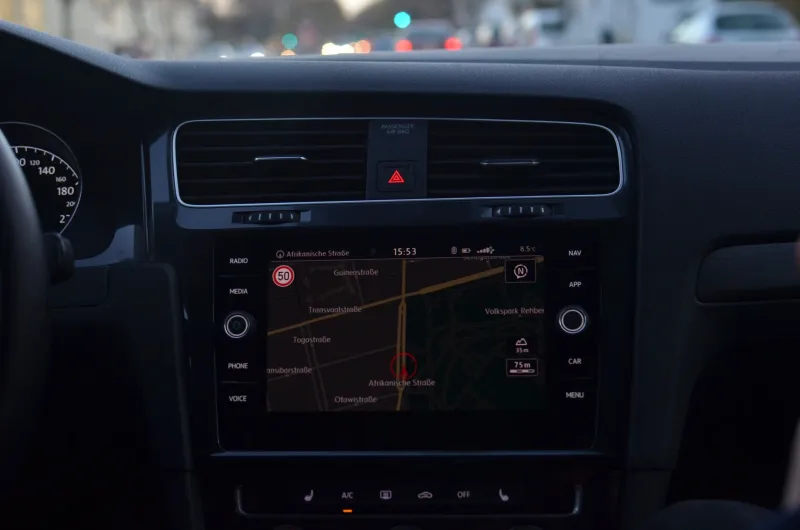
Every time you connect your phone to your car — whether through Apple CarPlay, Android Auto, or basic Bluetooth — you're not just streaming music or making hands-free calls. Your vehicle's computer is systematically copying and storing massive amounts of personal information.
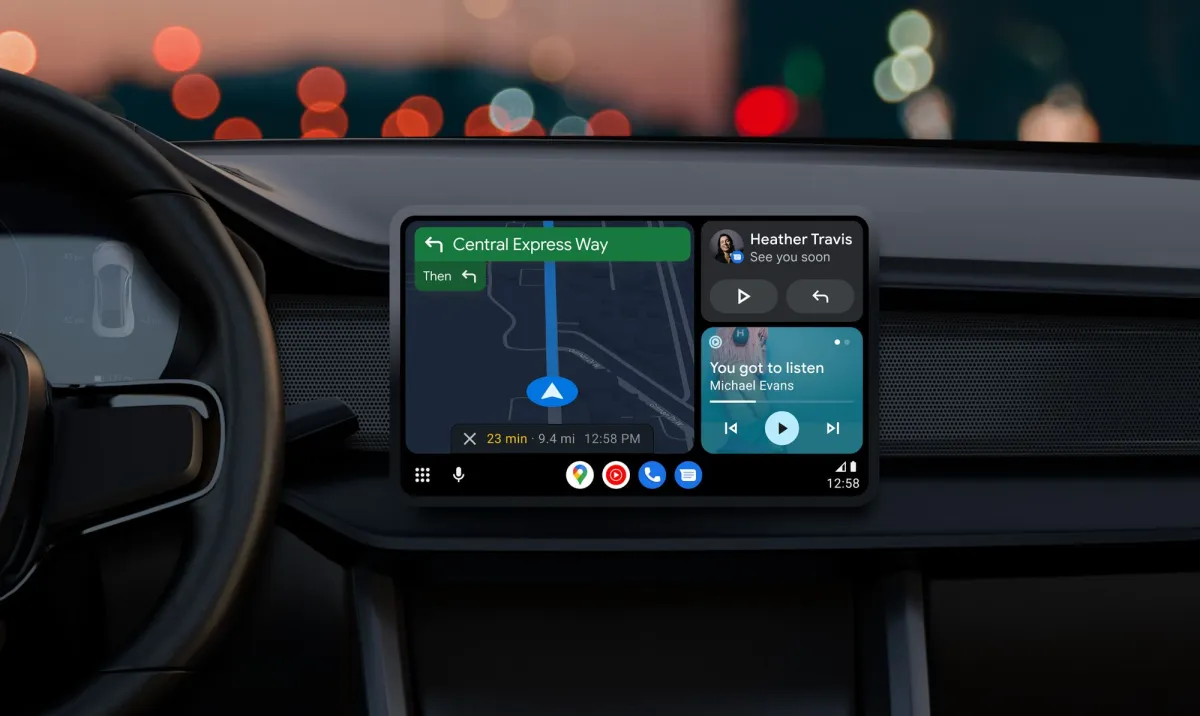 Photo: Android Auto, via static1.anpoimages.com
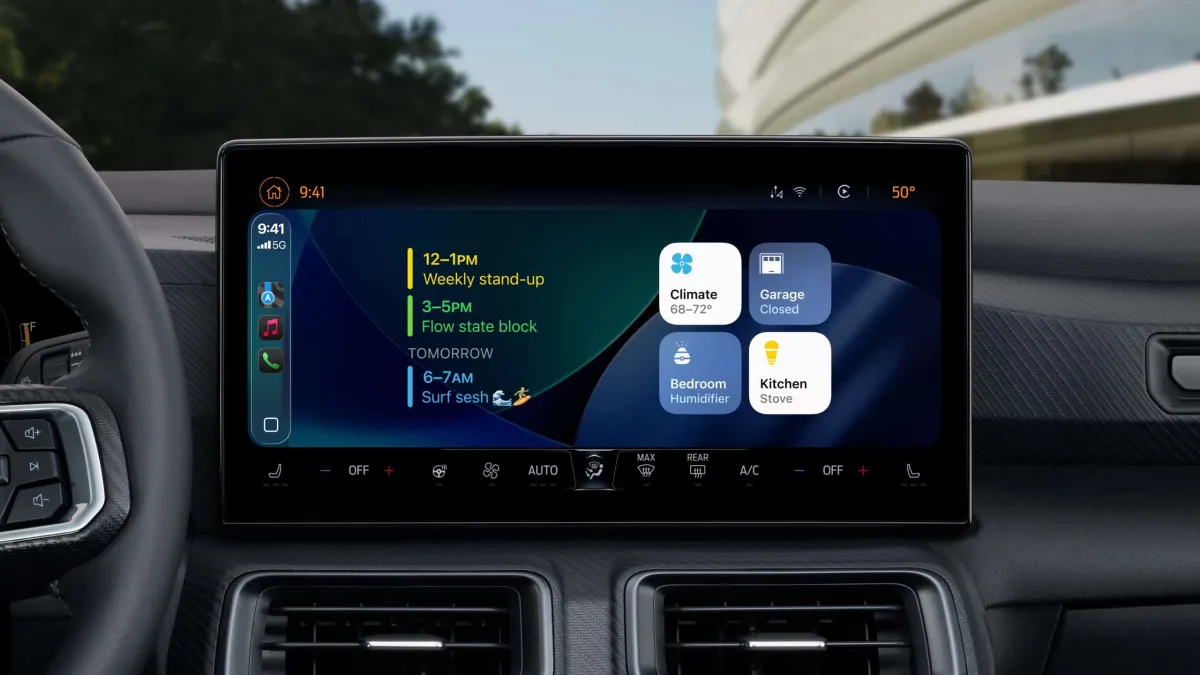 Photo: Apple CarPlay, via applemagazine.com
Location data gets logged every few seconds while you drive, creating a detailed map of everywhere you go. Your contact list transfers over automatically. Call logs, text message previews, and even voice recordings from commands you give to the system all get saved to the car's internal storage.
What makes this particularly concerning is that most drivers assume this connection is temporary — like plugging headphones into a device. In reality, your car often retains this information permanently, even after you disconnect your phone.
Why Cars Became Data Hungry
This wasn't always the case. Twenty years ago, cars were mechanical devices with simple radios. The shift started when automakers realized they could differentiate their vehicles with sophisticated entertainment and navigation systems.
As these systems became more complex, manufacturers discovered something valuable: the data they collected could be monetized. Location patterns help companies understand traffic flows and consumer behavior. Contact lists reveal social networks and demographic information. Even music preferences provide insights that data brokers will pay for.
The result is that what started as a convenience feature has evolved into a sophisticated data collection operation that happens to be built into your car.
What Happens to Your Information
Unlike smartphones, which are subject to increasing privacy regulations and user awareness, automotive data collection operates in a regulatory gray area. Car manufacturers aren't required to follow the same disclosure rules as tech companies, and most buyers never read the privacy policies buried in their owner's manuals.
This data often gets shared with third parties — insurance companies analyzing driving patterns, marketing firms building consumer profiles, and even law enforcement agencies requesting location histories. Some automakers have partnerships with data brokers who aggregate and sell this information to anyone willing to pay for it.
Perhaps most troubling, this data typically stays with the car when you sell or trade it in. Dealerships rarely inform buyers that the vehicle they're purchasing contains the previous owner's personal information, and most sellers never think to delete it.
The Persistence Problem
Deleting automotive data isn't as simple as clearing your browser history. Many car systems don't offer user-friendly deletion options, and even when they do, the process often leaves traces behind in backup files or system logs.
Some luxury vehicles store data in multiple locations throughout the car's computer network, making complete removal nearly impossible without specialized diagnostic equipment. This means your personal information could be discoverable by future owners, mechanics, or anyone with access to the vehicle's systems.
The situation gets more complex with leased vehicles, rental cars, and company fleets, where multiple users may connect their devices over time, creating layered deposits of personal data from various individuals.
Beyond the Dashboard
Modern vehicles collect data even when your phone isn't connected. GPS systems log every destination you enter. Satellite radio services track listening habits. Some cars even monitor driving patterns — how hard you brake, how fast you accelerate, which routes you prefer — and transmit this information to the manufacturer's servers.
OnStar and similar services maintain constant communication with their parent companies, providing real-time location updates and vehicle status reports. While these features offer legitimate safety and convenience benefits, they also create detailed records of your movements and habits.
Even more concerning, some insurance companies now offer "usage-based" policies that monitor your driving through your car's built-in systems, potentially affecting your rates based on when, where, and how you drive.
Taking Control of Your Automotive Privacy
The good news is that you can limit what your car learns about you. Before connecting your phone, check the vehicle's privacy settings — many systems allow you to restrict what data gets stored locally. When possible, use temporary or guest modes that don't save information permanently.
Before selling or trading a vehicle, spend time properly clearing all stored data. This usually involves accessing the infotainment system's settings menu and performing a factory reset, though you may need to consult your owner's manual for the specific procedure.
For maximum privacy, consider avoiding phone integration entirely and using portable devices for navigation and music instead. While less convenient, this approach ensures your personal data never enters the car's systems in the first place.
The Reality Check
Your smartphone might ask permission before accessing your location or contacts, but your car typically doesn't. It simply assumes that by connecting your device, you're consenting to comprehensive data collection — an assumption that most drivers aren't even aware they're making.
As vehicles become increasingly connected, this issue will only intensify. The car you're driving today might seem like a private space, but it's actually one of the most comprehensive data collection devices you interact with regularly. Understanding what it knows about you is the first step toward deciding how much you're comfortable sharing.