A Recall Visit Doesn't Always Mean a Fixed Car — Here's What's Actually Happening
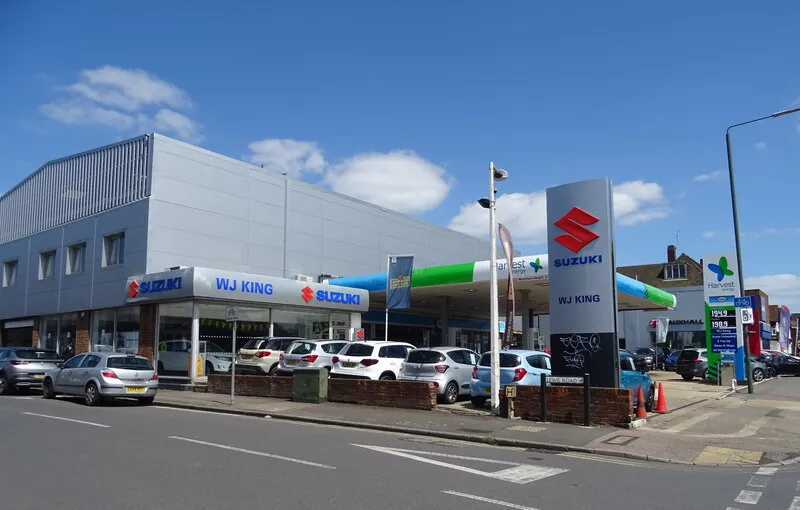
Photo: JThomas , CC BY-SA 2.0, via Wikimedia Commons
A Recall Visit Doesn't Always Mean a Fixed Car — Here's What's Actually Happening
Getting a recall notice in the mail feels like the system working. A safety problem was identified, regulators stepped in, and now you just need to take the car to a dealer and let them handle it. It's inconvenient, but reassuring. The problem gets fixed, you get your car back, and you move on.
Except that's not always what happens. In a meaningful number of cases, a completed recall service visit doesn't mean the underlying safety concern has been fully resolved. And most drivers have no idea this is possible.
How the Recall Process Is Supposed to Work
When a safety defect is identified — either through manufacturer testing, field complaints, or NHTSA investigation — the automaker is required to notify owners and provide a free repair. That's the basic framework established by the National Traffic and Motor Vehicle Safety Act.
In straightforward cases, this works as advertised. A defective part is identified, replacement parts are manufactured and distributed to dealers, owners bring in their vehicles, and the fix is applied. Done.
But the process has more moving parts than that summary suggests, and several of those parts can fail or get stuck.
The Parts Shortage Problem
Large recalls — and some of the most significant safety recalls in history have involved millions of vehicles simultaneously — create an immediate demand spike for specific replacement parts. Suppliers can't always meet that demand instantly. Manufacturing takes time. Distribution takes time. And in the meantime, dealers are instructed to perform the recall service even when the permanent fix isn't yet available.
This leads to a category of repair called an interim remedy. It's an approved temporary fix — sometimes a software update, sometimes a modified procedure, sometimes a component that reduces risk without fully eliminating the defect — that dealers apply when the permanent parts aren't in stock. The service record is marked complete. The recall shows as addressed. But the vehicle hasn't received the final repair.
Owners are supposed to be notified when the permanent remedy becomes available, but the follow-through on that notification is inconsistent. If you moved, changed your contact information, or simply didn't notice the follow-up letter, you might be driving a car that got an interim fix years ago and never received the permanent one.
The Takata airbag recall — the largest automotive recall in U.S. history, covering tens of millions of vehicles — stretched over more than a decade partly because of this problem. Parts couldn't be produced fast enough to replace all the defective inflators at once, meaning vehicles were prioritized by risk level, and some owners waited years for a permanent fix while others received temporary measures.
Recalls That Come Back Around
Another scenario that surprises most people: recall repairs that don't hold up, leading to a second recall for the same issue.
This happens when a replacement part turns out to have its own defect, when the repair procedure was flawed, or when the root cause of the original problem wasn't fully understood. The replacement fix fails in the field, NHTSA investigates, and a new recall is issued — sometimes for the same vehicles that had already been through a dealer visit.
If you had your car serviced for a recall two years ago and haven't checked since, there's a real possibility a follow-on recall has been issued that you don't know about.
How Many Open Recalls Are Out There Right Now?
NHTSA maintains a public database of all recall campaigns, and the numbers are striking. At any given time, tens of millions of vehicles on American roads have open recalls that haven't been completed. NHTSA's own estimates have suggested that recall completion rates — the percentage of recalled vehicles that actually receive the repair — often hover between 70% and 80% even years after a recall is issued.
That gap represents real vehicles, driven by real people, with unresolved safety defects. Some of those owners don't know about the recall. Some received notice but haven't gotten around to scheduling the service. Some live far from a participating dealer. And some had their car serviced for a recall that was later superseded by a second campaign they were never told about.
How to Check Your Own Vehicle
The good news is that checking your vehicle's recall status is genuinely easy and takes about two minutes.
NHTSA's recall lookup tool at nhtsa.gov lets you enter your 17-digit VIN — found on your dashboard near the windshield, on your registration, or on your insurance card — and see every open recall associated with your specific vehicle. Not your make and model generally, but your actual car, based on its production date and configuration.
The search results will show you which recalls have been completed and which are still open. If you see an open recall, contact a dealer for your brand to schedule the repair. It's free, and in many states dealers are legally required to complete it.
If you're buying a used vehicle, running this check before you purchase is one of the most important steps you can take. A clean vehicle history report won't necessarily show open recalls, and a car with an unresolved safety defect is a liability the seller may not even be aware of.
The Takeaway
The recall system exists for a good reason, and when it works, it works well. But "works well" doesn't mean "works perfectly every time." Parts shortages create interim fixes. Follow-on recalls get issued. Notification letters get lost or ignored. And the result is that a service record stamped "recall complete" can mean something less than it sounds.
Checking your VIN takes two minutes. It's worth doing.