The 100,000-Mile Myth That's Costing Car Buyers Thousands
The 100,000-Mile Myth That's Costing Car Buyers Thousands
Walk onto any used car lot and watch buyer behavior. Shoppers meticulously avoid anything over 100,000 miles as if that number represents some mechanical cliff where cars transform from reliable transportation into expensive paperweights. This widespread belief is costing buyers thousands of dollars and steering them away from some of the best deals on the market.
Where the 100,000-Mile Fear Comes From
This automotive superstition has deep roots in reality—just not today's reality. Back in the 1970s and 1980s, reaching 100,000 miles was genuinely impressive. Engines wore out faster, transmissions failed more frequently, and basic maintenance was more demanding. Cars that hit six-figure mileage had survived longer than many of their peers.
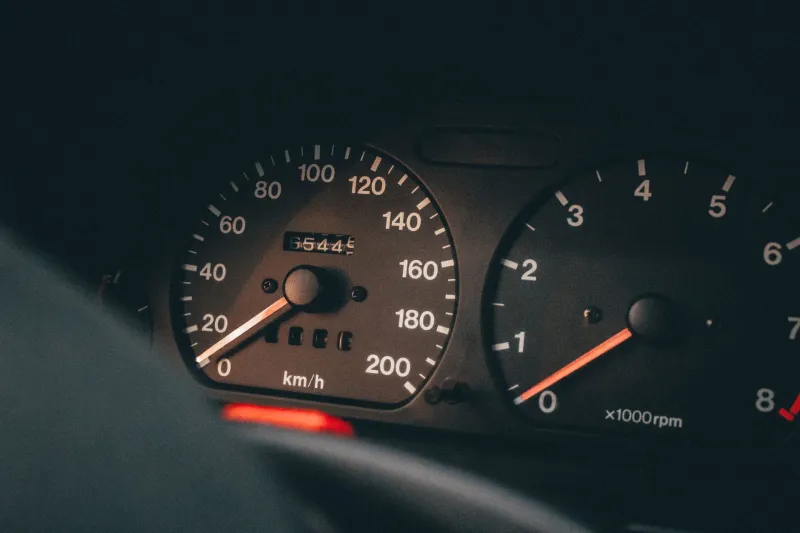
During this era, odometers only displayed five digits, literally rolling over to zeros at 100,000 miles. The mechanical limitation reinforced the psychological barrier—if the car's own odometer couldn't count past 100,000, maybe the car wasn't expected to last much longer either.
Modern Engine Reality vs. Outdated Expectations
Today's engines are fundamentally different machines than their predecessors. Improved metallurgy, tighter manufacturing tolerances, better oil formulations, and sophisticated computer controls have dramatically extended engine life. Many modern vehicles routinely surpass 200,000 miles with proper maintenance, and some push past 300,000 without major repairs.
Manufacturers now offer powertrain warranties extending to 100,000 miles precisely because they're confident their engines will last that long. These aren't marketing gimmicks—they're backed by real engineering improvements and extensive testing data.
Yet buyers continue shopping as if modern cars follow 1980s reliability patterns. This disconnect creates significant market opportunities for informed buyers willing to look past the odometer.
Why Dealers Love the 100,000-Mile Stigma
Used car dealers understand this psychological barrier better than anyone, and they price accordingly. Vehicles just under 100,000 miles command premium pricing, while mechanically identical cars with 110,000 miles sit on lots with dramatically lower price tags.
This artificial pricing cliff benefits dealers in two ways: they can charge more for lower-mileage vehicles while struggling to move higher-mileage inventory. Smart dealers often target fleet vehicles or lease returns right before they hit the magical number, knowing they can maximize profits before buyer psychology kicks in.
What Actually Matters More Than Mileage
Maintenance history trumps mileage every time. A well-maintained vehicle with 120,000 miles will outlast a neglected car with 60,000 miles. Regular oil changes, timely belt replacements, and proper fluid maintenance matter far more than the number on the odometer.
Highway miles are gentler on vehicles than city driving. A car with 100,000 highway miles has experienced less wear than one with 50,000 stop-and-go city miles. Engine temperature stays consistent, transmissions don't constantly shift, and brakes endure less stress during highway cruising.
Model reputation and known issues provide better predictive value than mileage alone. Some vehicles are notorious for specific problems at certain mile markers, while others are celebrated for exceptional longevity. Researching the particular make and model reveals more useful information than fixating on odometer readings.
The Hidden Costs of Mileage Obsession
Buyers who chase low mileage often end up with worse cars at higher prices. That 80,000-mile vehicle might seem like a better deal than the 110,000-mile alternative, but if the lower-mileage car was poorly maintained or suffered accident damage, the higher-mileage vehicle could provide years more reliable service.
Low-mileage used cars sometimes indicate problematic ownership patterns. Vehicles that sit unused for extended periods can develop issues from lack of operation—seals dry out, fluids degrade, and components corrode from disuse. A car driven regularly and maintained properly often presents fewer surprises than one with suspiciously low miles.
The Sweet Spot Strategy
Savvy buyers target the 100,000 to 150,000-mile range where pricing drops but reliability remains strong. These vehicles have proven their durability by reaching high mileage while offering significant savings over their lower-mileage counterparts.
For many modern vehicles, this mileage range represents the middle of their useful life, not the end. With proper maintenance, buyers can expect years of reliable service while avoiding the premium pricing attached to lower-mileage alternatives.
Breaking Free From Outdated Thinking
The 100,000-mile stigma persists because it's simple and seemingly logical. Unfortunately, this rule of thumb is based on automotive technology that's been obsolete for decades. Modern cars are more reliable, more durable, and more capable of high-mileage service than ever before.
Smart buyers who understand this reality can find exceptional deals on reliable transportation while others chase arbitrary numbers that no longer reflect mechanical reality.