The Mileage Number Every Used Car Buyer Trusts Is Missing Half the Story
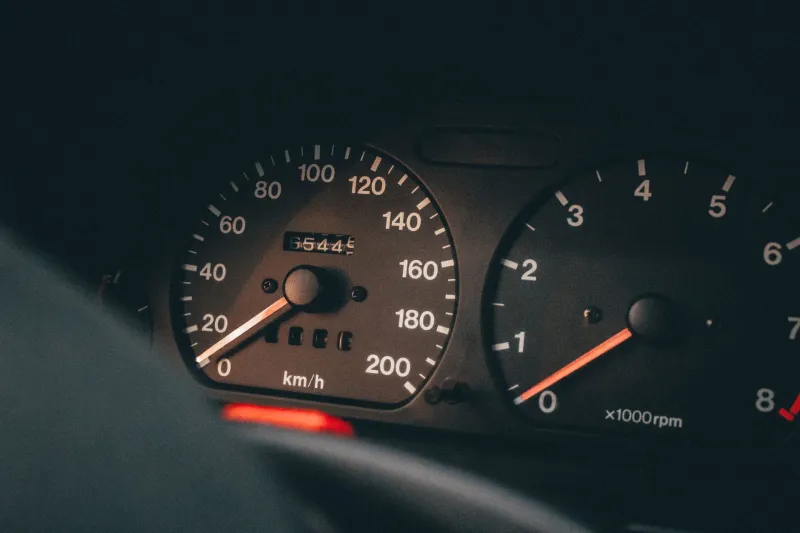
The Number on the Dashboard Everyone Trusts
When most people shop for a used car, the first thing they do is check the mileage. Under 100,000 miles? Good sign. Over 150,000? Walk away. It's one of those rules that feels so obvious it barely needs explaining — fewer miles means less wear, right?
Not exactly. That logic works fine if every mile is created equal. They aren't.
The odometer measures distance. It has no idea whether those miles were covered at 70 mph on an empty interstate or in bumper-to-bumper traffic where the engine idled, surged, and braked a thousand times per hour. Two cars can share the exact same mileage and have engines in completely different states of health — and the odometer will never tell you which is which.
What Engine Hours Actually Measures
If you've ever rented a boat, operated farm equipment, or worked around construction machinery, you've probably seen an "hours" meter instead of a mileage display. That's not an accident. In those industries, people figured out a long time ago that distance is a poor proxy for wear. What actually stresses an engine is time under load — how long it's been running, working, heating up, and cooling down.
Engine hours capture exactly that. One hour of engine operation counts as one hour whether the vehicle moved ten feet or ten miles. It's a direct measurement of how much mechanical work the engine has actually performed.
Here's why that matters for regular cars: an engine running at idle in stop-and-go traffic is still accumulating wear. Oil pressure fluctuates. The engine heats up and cools down repeatedly in short cycles, which is actually harder on components than sustained highway temperatures. Fuel combustion during low-speed city driving is less efficient, leaving more carbon deposits on valves and cylinder walls over time.
A car with 60,000 miles of pure city commuting in a place like Chicago or Los Angeles has experienced far more heat cycles, cold starts, and low-speed lubrication stress than a 90,000-mile car that spent most of its life on the highway between cities. The odometer says the city car is in better shape. The engine might tell you the opposite.
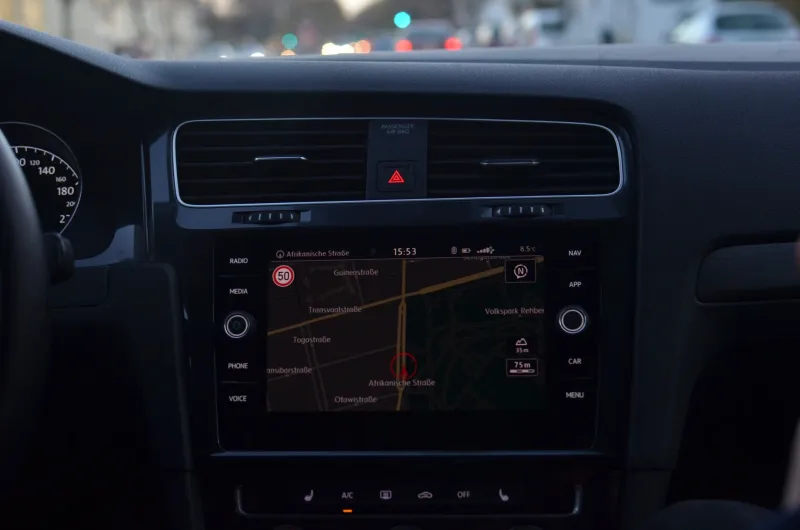
 Photo: Los Angeles, via content.api.news
Why This Information Is Hard to Find
Heavy equipment — bulldozers, generators, marine engines — displays engine hours prominently because those industries depend on accurate service intervals. A bulldozer doesn't rack up miles, so hours are the only meaningful measurement available.
Passenger vehicles have historically ignored this metric because manufacturers assumed distance was close enough. For a long time, in a country where most driving involved highways and suburban roads, that assumption wasn't terrible.
But modern vehicles actually do log this data. Engine control modules in most cars built in the last decade or so record operational hours as part of their diagnostic data. The problem is that this information lives buried in the vehicle's onboard computer, accessible only through a professional-grade scan tool or certain OBD-II diagnostic apps — not on any screen a typical driver ever sees.
Some luxury and performance vehicles surface this data through their infotainment systems or owner apps, but for the average used car buyer, it requires extra steps that almost nobody takes.
The City Car vs. Highway Car Problem
Let's make this concrete. Picture two 2018 sedans, both with 75,000 miles on the odometer.
Car A spent its life in Boston — short trips, constant traffic, lots of cold starts in winter, and a driver who rarely got out of second gear on the way to work.
Car B was owned by a traveling salesperson in Texas who put in long highway stretches between Dallas and Houston, often covering 400 miles in a single day at consistent speeds.
The odometer says they're identical. Engine hours would likely show Car B with significantly more hours logged, but those hours were gentle, steady, warm-operating-temperature hours. Car A's hours might be lower in total count, but each one was harder on the engine — more cold starts, more idling, more heat cycling, more stop-and-go stress on the transmission and brakes.
Neither car is automatically the better buy. But they are fundamentally different machines, and the odometer gives you zero information to distinguish them.
What You Can Actually Do About This
You probably can't pull engine hours on a used car at a dealership lot without some preparation, but you're not completely without options.
First, ask for maintenance records. A car that was mostly city-driven will typically show more frequent oil changes relative to mileage, because short-trip driving degrades oil faster. If the records show oil changes every 3,000–4,000 miles, that tells you something about how the car was used.
Second, look at brake and tire wear relative to mileage. City driving destroys brakes and tires faster than highway miles. A 70,000-mile car on its third set of brakes has a story to tell.
Third, consider a pre-purchase inspection from an independent mechanic who can pull diagnostic data directly from the vehicle's computer. Some OBD-II apps available for smartphones — Torque Pro, OBD Fusion, and similar tools — can surface engine runtime data on many modern vehicles if you have access to the car and a few minutes.
Finally, ask where the car was registered and what the previous owner did for work. These aren't foolproof, but a car registered in Manhattan for five years has almost certainly lived a different life than one registered in suburban Colorado.
The Takeaway
Odometer readings aren't useless — they're just incomplete. Distance and wear are related, but the relationship is a lot more complicated than the used car market treats it. Until engine hours become a standard part of vehicle listings and history reports, the buyers who understand this distinction will consistently make smarter decisions than the ones who stop at the mileage number and assume the story ends there.