The Free Maintenance Plan That's Actually a Subscription to the Dealership's Service Bay
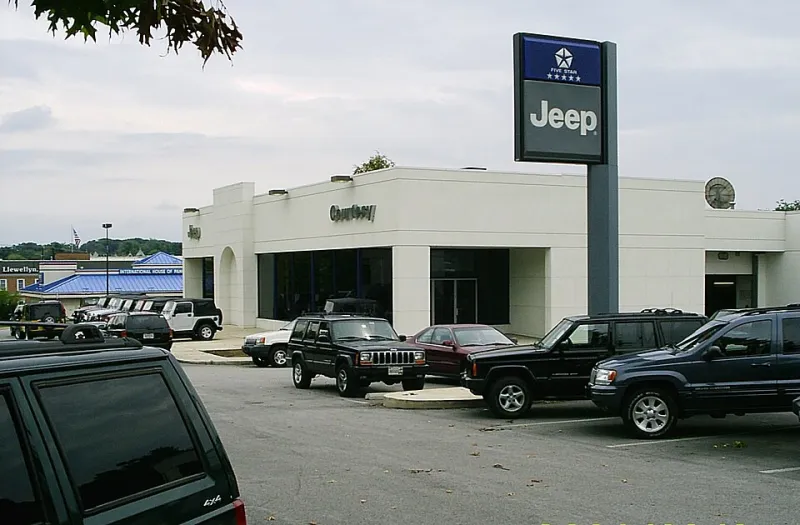
Photo: CZmarlin — Christopher Ziemnowicz, releases all rights but a photo credit would be appreciated if this image is used anywhere other than Wikipedia. Please leave a note at Wikipedia here. Thank you!, Public domain, via Wikimedia Commons
Few things feel better at the end of a car-buying negotiation than hearing the words "and it comes with free maintenance for the first two years." It sounds like the dealer is doing you a favor. You're getting something for nothing.
Except you're not, really. And understanding what's actually going on behind that offer changes how you should think about it — and every service appointment that follows.
What "Free Maintenance" Usually Covers
Let's start with what's actually included, because that list is shorter than most buyers assume.
Manufacturer-backed maintenance plans — offered by brands like BMW, Hyundai, Volvo, and others — typically cover scheduled oil changes and tire rotations for a set period, usually two to three years or a specific mileage threshold. Some plans include cabin air filter replacements and multi-point inspections. A few of the more generous programs toss in brake fluid checks or wiper blades.
What they almost never cover: brake pads, tires, coolant flushes, transmission service, battery replacement, alignment, or any repair that results from wear and tear beyond the defined maintenance schedule. Those are on you.
Dealer loyalty programs — which are separate from manufacturer plans and often sold as an add-on during the finance office visit — can look similar on the surface but vary wildly in what they actually deliver. Some are genuinely useful prepaid maintenance bundles. Others are essentially marketing programs that give you a discount card dressed up as a benefit.
The Real Business Model Behind the Offer
Here's the part nobody explains at the point of sale: free maintenance plans are primarily a customer retention tool, not a consumer benefit.
The math is straightforward. An oil change at a dealership costs anywhere from $80 to $150 depending on your vehicle and oil type. At an independent shop or quick-lube chain, that same service often runs $40 to $80. The manufacturer or dealer is absorbing some of that cost difference — but what they're buying is guaranteed access to you and your car for the next two to three years.
Every time you come in for that "free" oil change, you're sitting in a waiting room surrounded by upsell opportunities. Service advisors are trained to identify additional work during every visit. Your free appointment becomes the entry point for a conversation about your cabin filter (which you could buy for $15 at an auto parts store and install in five minutes), your brake pads, your battery health, your tire tread depth, and whatever else the multi-point inspection surfaces.
The dealership isn't losing money on your free oil change. They're investing in the probability that you'll spend $300 to $800 in additional services over the life of that plan — and that you'll keep coming back out of habit once it ends.
The Expiration Trap
This is where the long game really plays out. Once your complimentary maintenance period ends, many car owners simply continue scheduling service at the dealership. The habit is already formed. The dealership is already in your phone contacts. The service advisor already knows your name.
At that point, you're paying full dealership rates for services you could get elsewhere for significantly less. An independent shop — or even a well-reviewed chain like Jiffy Lube or Firestone — can perform the same oil change, tire rotation, and multi-point inspection for a fraction of the dealer's labor rate. The oil is the same. The filter is the same. The mechanic, in many cases, has comparable or better training.
For routine scheduled maintenance on a vehicle still under its factory powertrain warranty, using an independent shop does not void your warranty — that's protected under the Magnuson-Moss Warranty Act. This is a widespread misconception that dealers rarely rush to correct.
What About Prepaid Plans Sold at the Dealership?
Some dealerships sell prepaid maintenance packages during the finance office stage — often pitched as a way to "lock in today's service prices" for several years. The pitch sounds logical. Labor rates do go up over time.
But the value calculation rarely works in your favor. These packages are priced to be profitable for the dealership. They bundle services you might not need on the schedule they define, and if you sell the car early or the dealership changes ownership, getting a refund can be a project in itself.
If you're considering one, ask for an itemized breakdown of every service included, the retail price of each, and then compare that total to what an independent shop would charge for the same list. The math will usually tell you everything you need to know.
The Takeaway
Free maintenance isn't a scam. For some buyers — especially those who value convenience and would use the dealership anyway — it's a reasonable perk. But it's not a neutral gift. It's a strategic investment by the dealership in your future spending habits.
Know what's actually covered. Know what isn't. Know that independent shops can legally service your car without voiding your warranty. And when your complimentary period ends, take five minutes to compare prices before you automatically schedule your next appointment at the dealership.
The "free" part ends. The relationship they're hoping to build with your wallet is designed to last much longer.