Your Fuel Gauge Isn't Telling the Truth About How Empty Your Tank Really Is
Your Fuel Gauge Isn't Telling the Truth About How Empty Your Tank Really Is
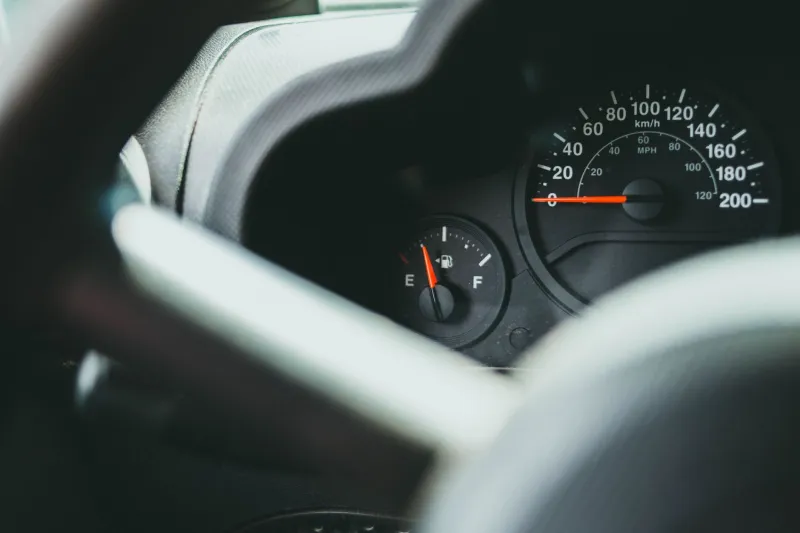
Every driver has been there: the fuel gauge needle drops to 'E,' the warning light glows ominously on the dashboard, and panic sets in. Time to find the nearest gas station, right? Actually, your car is probably lying to you about how much fuel you have left.
The Hidden Reserve Your Car Doesn't Advertise
Contrary to popular belief, that 'E' marking on your fuel gauge doesn't indicate an empty tank. Automakers deliberately engineer a hidden reserve buffer that can range anywhere from one to four gallons, depending on your vehicle's make and model. When your gauge reads empty, you're typically sitting on enough fuel to drive another 30 to 100 miles.
This isn't an accident or manufacturing quirk—it's intentional design. Car manufacturers build in this safety margin to prevent drivers from actually running out of fuel and finding themselves stranded on busy highways or in dangerous locations.
Why Automakers Keep You in the Dark
The fuel gauge deception serves multiple purposes beyond basic safety. First, it protects the automaker's reputation. Imagine the customer service nightmare if fuel gauges were accurate and thousands of drivers actually ran out of gas because they trusted their dashboard.
Second, it accounts for human psychology. Most people push their luck with fuel levels, especially when gas prices are high or when they're running late. The buffer zone compensates for this predictable behavior, giving procrastinating drivers a safety net they don't even know exists.
The warning light typically triggers when you have between 10-15% of your tank capacity remaining. For a 15-gallon tank, that means roughly 1.5 to 2.25 gallons are still sloshing around when your car starts "warning" you about low fuel.
The Problem With Riding on Empty
Here's where the hidden truth becomes problematic: regularly driving on that reserve fuel can quietly damage your car's fuel pump. Modern electric fuel pumps rely on being submerged in gasoline for cooling and lubrication. When fuel levels drop too low, the pump starts working harder and running hotter.
This increased strain shortens the pump's lifespan significantly. A fuel pump replacement typically costs between $400 and $800, making those "I can make it" driving habits an expensive gamble over time. The pump damage happens gradually and invisibly—you won't notice performance issues until the pump fails completely.
The Wild Variation Between Vehicles
Not all empty gauges are created equal. A Honda Civic might have 1.7 gallons remaining when the needle hits 'E,' while a Ford F-150 could have nearly 4 gallons left. Luxury vehicles often have larger buffers, sometimes holding enough reserve fuel to drive 80-100 miles past the empty mark.
 Photo: Ford F-150, via i.iplsc.com
 Photo: Honda Civic, via www.zerotohundred.com
Some manufacturers are more conservative than others. Toyota tends to build in larger safety margins, while European brands like BMW and Mercedes often cut things closer. There's no industry standard, and owners' manuals rarely specify exactly how much fuel remains when the gauge shows empty.
Why This Matters for Real Driving
Understanding your fuel gauge's deception can actually improve your driving experience and save money. Instead of panicking at the first sight of the warning light, you can calmly plan your next fuel stop without making desperate detours to overpriced gas stations.
However, the key is not to abuse this knowledge. Just because your tank isn't truly empty doesn't mean you should regularly test those limits. The optimal approach is treating the warning light as a genuine signal to refuel soon, not as the start of a fuel-stretching challenge.
The Bottom Line
Your fuel gauge's "empty" reading is essentially a white lie designed to keep you safe and your car manufacturer's reputation intact. While this hidden reserve can save you from roadside emergencies, regularly relying on it will slowly destroy your fuel pump and leave you with expensive repair bills.
The smartest approach? Fill up when your gauge shows a quarter tank remaining. Your fuel pump will thank you, your wallet will appreciate avoiding emergency gas station prices, and you'll never have to wonder if today's the day your car's safety buffer finally runs out.