The Highway Efficiency Myth: Why Your Best MPG Might Be Hiding in the City

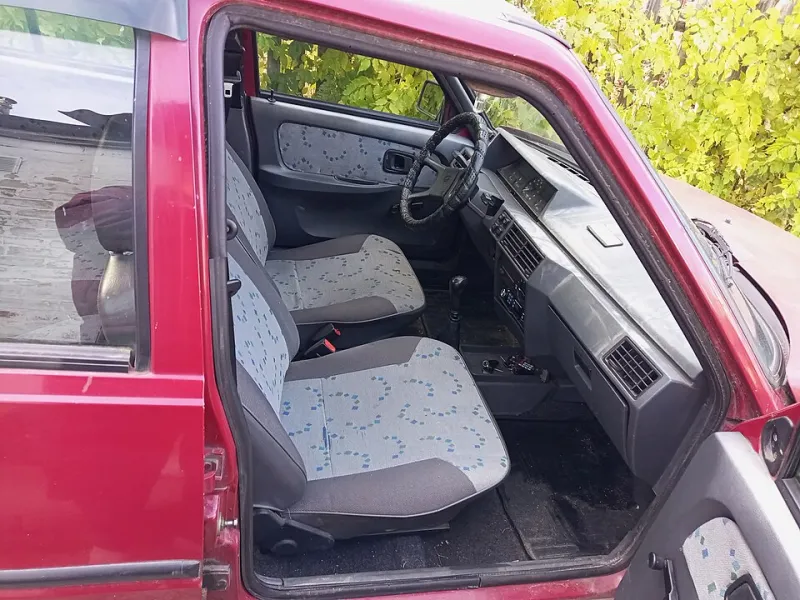
Photo: Vyacheslav Argenberg, CC BY 4.0, via Wikimedia Commons
Ask anyone what kind of driving gets the best gas mileage and you'll get the same answer: highway. It's baked into how we talk about cars — the used-car listing that brags "mostly highway miles," the road-trip driver who assumes the interstate is where the fuel budget breathes easiest.
Most of the time, that's right. But not always. And the exceptions reveal something genuinely interesting about how cars, air, and speed interact.
The Assumption: Highways Are Where Cars Are Most Efficient
The intuition makes sense. City driving means stoplights, idling, and constant acceleration from zero — all fuel-hungry activities. Highway cruising means steady speed, no stops, no wasted motion. Case closed.
That's why the EPA window sticker shows a higher highway number than a city number on almost every gasoline car sold in America. The data seems to agree with the intuition.
Where the Rule Breaks Down
Here's what the intuition misses: aerodynamic drag doesn't grow steadily with speed. It grows with the square of speed. Double your speed and the air resistance quadruples. Push through it, and the power required climbs with the cube of velocity.
For most vehicles, the sweet spot is somewhere between 45 and 60 mph. Below that, the engine is working hard just to move itself. Above that, the car is spending an ever-larger share of its fuel fighting invisible air.
Cruise at 55 mph and you might see 38 mpg. Nudge up to 75 — a perfectly normal interstate speed in Texas or Arizona — and that figure can drop into the high 20s. Same road, same car, same trip. The highway didn't stop being "efficient driving"; your speed simply crossed into territory where the wind tax outweighs the stop-and-go savings.
Run the comparison honestly and the answer can flip: a city trip at 35 mph with moderate stops can beat a highway run at 80 mph, especially in a boxy SUV or pickup where drag is brutal.
The EV Plot Twist
Electric vehicles break the rule completely — and in the opposite direction.
A gasoline engine wastes enormous energy at low speeds and low loads, which is why city driving punishes it. An electric motor doesn't care. It's efficient across the board. So EVs lose the stop-and-go penalty but keep the aerodynamic one, which means their efficiency picture inverts: city miles often beat highway miles.
That's why EV range estimates collapse on interstate trips. An EV rated for 300 combined miles might see 330 in town and barely 240 at a steady 75 mph. EV owners planning a road trip know this intimately — the range number on the dash shrinks the moment they merge onto the freeway.
Why the Myth Persists
The EPA's own labels do the damage. By publishing a higher highway number for gas cars, they've taught three generations of buyers that highway equals efficient, full stop. Nobody mentions the speed at which that number was measured — 48 mph on the test loop, not 75.
Add in the cultural romance of the open road, and the assumption becomes untouchable. "Highway miles" became shorthand for gentle driving, even when the actual highway miles happen at 80 mph into a headwind.
The Takeaway
The real rule isn't highway versus city — it's moderate speed versus high speed. Steady cruising around 55–60 mph is where most cars shine, whatever the road. On the interstate, slowing from 75 to 65 is often worth several mpg, more than any driving technique you'll ever read about. And if you drive an EV, flip the whole mental model: the city is your efficiency kingdom, and the highway is where the range goes to die.